The Short Answer
SEPTIFIX is a monthly septic tank treatment tablet that delivers live aerobic bacteria directly into your septic system via a simple toilet flush. It is not a miracle cure, and it will not replace professional pump-outs. But for homeowners who want a low-effort monthly maintenance routine backed by a 60-day money-back guarantee, it is the most credible biological treatment option available online. Our rating: 4.0 out of 5.0 — Recommended with caveats.
Who This Review Is For
If you own a home on a septic system and you have landed here wondering whether SEPTIFIX is a scam, whether it actually does anything, or whether it is worth $69 — this review is written for you. We have spent time reading the EPA's 2024 Septic Tank Additives Fact Sheet, independent research from Washington State University and the University of Kentucky, and the product's own claims so you do not have to. We will tell you exactly what it does, what it cannot do, and who should and should not buy it.
According to the EPA, roughly one in five American households — approximately 21 million homes — rely on a septic system to treat their wastewater. If you are one of them, your system is quietly working around the clock to protect your home, your yard, and your groundwater. Getting it wrong can cost anywhere from $600 for a minor repair to $15,000 or more for a full system replacement — see our full septic failure cost analysis for a state-by-state breakdown. That is the context in which SEPTIFIX — a $69 monthly tablet — needs to be evaluated.
What Is SEPTIFIX?
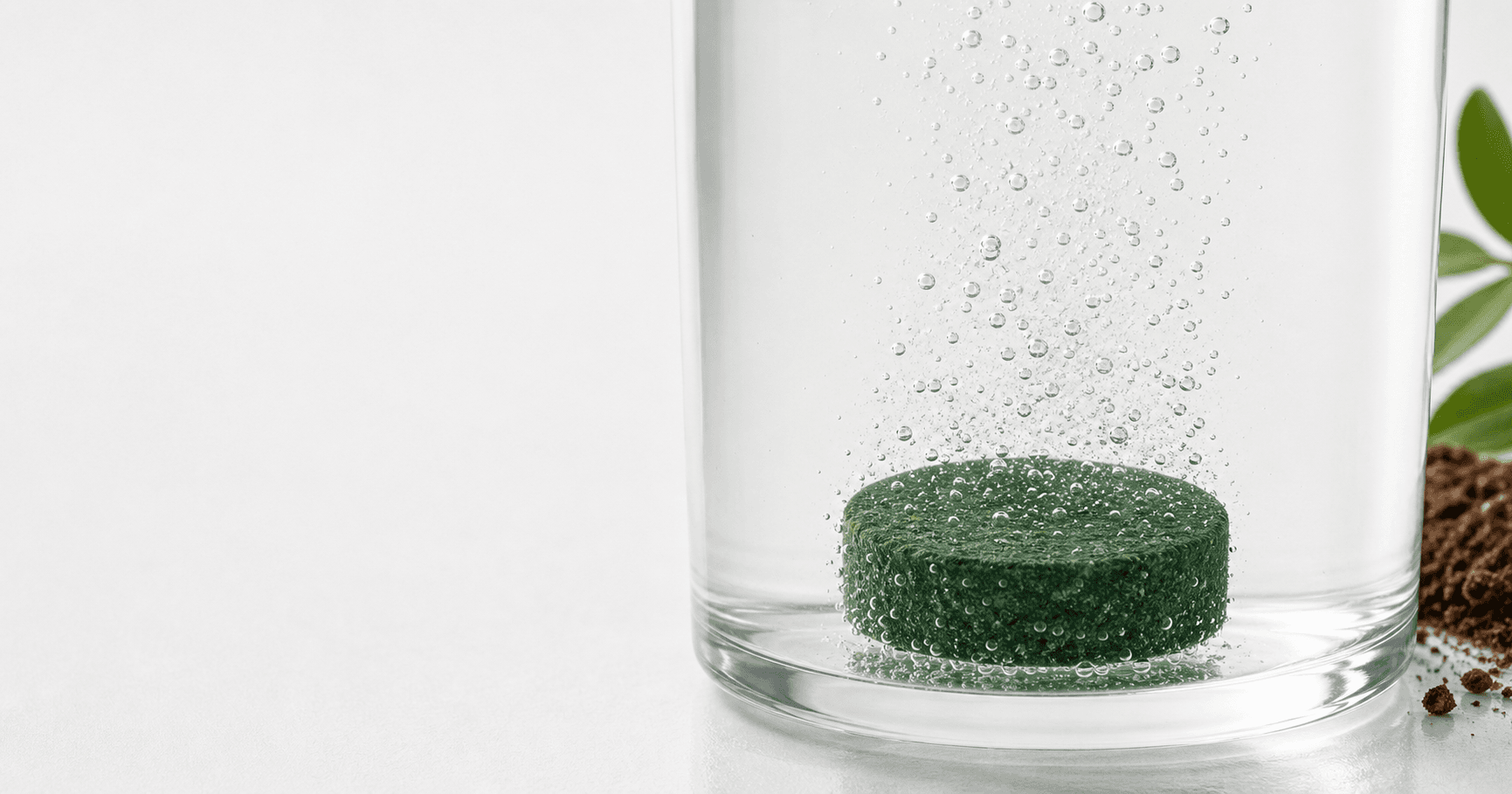
SEPTIFIX is an effervescent septic tank treatment tablet manufactured in the United States and sold online through the SEPTIFIX official website and ClickBank. Each tablet weighs 55 grams and contains 14 strains of live aerobic bacteria along with an oxygen-releasing compound designed to create a favorable environment for those bacteria to thrive inside your septic tank.
The product was launched in 2021 and has grown to become the top-ranked biological septic treatment on the ClickBank affiliate marketplace. It is positioned as a monthly maintenance product for residential septic systems — not a repair solution, and not a replacement for professional service.
How you use it: Drop one SEPTIFIX tablet into your toilet bowl and flush. That is it. The tablet dissolves in water, travels through your plumbing, and enters your septic tank, where the bacteria activate and begin working. The manufacturer recommends doing this once per month, every month, for ongoing results.
Product Specifications
| Specification | Detail |
|---|---|
| Format | Effervescent tablet — flush directly into toilet |
| Weight per tablet | 55 grams |
| Bacteria strains | 14 strains of live aerobic bacteria |
| CFU per gram | Over 7 billion (manufacturer claim — not independently verified) |
| Oxygen release | Yes — raises tank oxygen levels to support aerobic bacterial activity |
| Dose frequency | One tablet per month |
| Price | $69 per package (3-month supply) |
| Guarantee | 60-day money-back, no questions asked |
| Made in | United States |
| Sold via | Official SEPTIFIX website and ClickBank |
| Upsells available | Drain Dissolver, Garbage Disposal Tablets |
The Science Behind SEPTIFIX: How It Works
To understand what SEPTIFIX is trying to do, you first need to understand how a conventional septic tank actually works.
How a Standard Septic Tank Functions
A conventional residential septic tank operates as an anaerobic system — meaning the bacteria inside it work without oxygen. When wastewater enters the tank from your home, it separates into three layers: solid sludge sinks to the bottom, oils and grease float to the top as scum, and relatively clear liquid effluent sits in the middle. That middle layer eventually flows out to your drain field, where soil percolation finishes the treatment process.
The anaerobic bacteria that dominate this environment work steadily but slowly. They digest organic material, but they produce byproducts including hydrogen sulfide — the compound responsible for the characteristic rotten-egg smell that homeowners dread. Anaerobic bacteria are also inefficient at eliminating pathogens and parasites compared to their aerobic counterparts.
What Aerobic Bacteria Do Differently
Aerobic bacteria — the kind SEPTIFIX delivers — require oxygen to function, but they are significantly more efficient at breaking down organic waste than anaerobic bacteria. According to research published by Aero-Stream, aerobic bacteria consume nitrogen, phosphorus, and carbon and produce carbon dioxide, making the decomposition process considerably faster and more thorough than anaerobic processes. They also produce more heat, which helps neutralize pathogens in the waste stream.
The challenge with introducing aerobic bacteria into a conventional septic tank is that the tank environment is naturally oxygen-depleted, which makes it hostile to aerobic organisms. This is where SEPTIFIX's oxygen-releasing compound matters. By releasing oxygen into the tank as the tablet dissolves, SEPTIFIX creates a temporarily oxygenated zone that allows the introduced aerobic bacteria to survive, activate, and get to work — before the tank's natural anaerobic conditions reassert themselves.
The manufacturer claims the bacteria remain active for up to 90 days per treatment, though this figure has not been verified by independent laboratory testing.
The 14 Bacteria Strains
SEPTIFIX tablets contain 14 strains of aerobic bacteria, with a claimed count of over 7 billion colony-forming units (CFU) per gram. The manufacturer states this is approximately three times more bacteria strains per gram than most competing products. These strains are described as scientifically selected to digest solid waste, toilet paper, oils, grease, and soaps — the primary contributors to sludge buildup and septic odor.
Important caveat: The 7 billion CFU per gram figure and the comparative "3× more" claim are manufacturer statements. No independent third-party laboratory has publicly verified these numbers. This does not necessarily mean the claims are false — it means they should be treated as marketing statements until independently confirmed. For a full side-by-side breakdown of every major product on the market, see our septic tank additive comparison database.
What the EPA Actually Says About Septic Tank Additives
This is the section that most SEPTIFIX reviewers skip, and it is the most important one on this page.
The EPA published an updated Septic Tank Additives Fact Sheet in September 2024 (Publication 830-F-24-003). Here is what it actually says — not what SEPTIFIX marketers claim it says.
On biological additives specifically, the EPA states: "Some biological additives can reduce septic tank scum and sludge. However, the impact of long-term use of these products on the ability of soils to treat wastewater is unknown. Some studies suggest that material degraded by additives may cause changes in treated wastewater effluent quality."
The EPA also states that it does not recommend the use of additives for normally functioning septic systems because such systems already contain the bacteria, enzymes, yeasts, and microorganisms needed to function properly. The EPA's position is that a well-maintained septic system — one that is pumped every three to five years and protected from harsh chemicals — does not need supplemental bacteria.
The EPA is not saying biological additives are harmful. It is saying they are likely unnecessary for a healthy system and that the long-term data on soil impact is incomplete.
What this means for you: If your septic system is functioning normally — no odors, no slow drains, no backups — SEPTIFIX is an optional maintenance supplement, not a necessity. If your system is showing signs of stress, SEPTIFIX may provide some benefit, but it is not a substitute for professional diagnosis and service.
Source: EPA Septic Tank Additives Fact Sheet, September 2024 (PDF)
Independent Research on Biological Additives
Beyond the EPA's position, a body of independent academic research exists on biological septic tank additives. The findings are mixed, which is exactly what honest reviewers should tell you.
A study published in the Journal of Environmental Health (Pradhan et al., 2011) examined the impacts of biological additives on septic tank effluent quality. The study found that some biological additives did reduce scum and sludge levels, but also noted that "material degraded by additives may cause changes in treated wastewater effluent quality" — meaning the effluent flowing to the drain field may be altered in ways that are not yet fully understood.
Washington State University Extension notes that "the science supporting the use of additives remains inconclusive" and that "benefits are difficult to predict and often a trial and error process." The University of Kentucky's College of Agriculture similarly advises that while biological additives are generally safer than chemical alternatives, their effectiveness varies significantly by product, tank condition, and household usage patterns.
The honest summary: biological additives are not proven to be consistently effective across all systems, but they are also not proven to be harmful when used as directed. SEPTIFIX sits in this scientifically ambiguous space — plausible mechanism, limited independent verification. You can read the full breakdown of what the research says across all major products in our septic additive comparison database.
SEPTIFIX vs. Competing Products
To give you the clearest picture, here is how SEPTIFIX compares to the most popular competing septic tank treatments on the market.
| Feature | SEPTIFIX | Rid-X | Green Gobbler | Cabin Obsession |
|---|---|---|---|---|
| Form | Effervescent tablet | Dry powder / pods | Liquid / granular | Freeze-dried packs |
| Bacteria type | Live aerobic (14 strains) | Enzymes + bacterial strains | Enzymes + microorganisms | Dormant bacterial strains |
| CFU per gram | 7 billion+ (claimed) | ~1.4 billion per dose | ~2.4 billion per dose | Not specified |
| Oxygen release | Yes | No | No | No |
| Best for | Full-time homes, monthly maintenance | General monthly maintenance | Homes with grease buildup | Seasonal / vacation homes |
| Price per month | ~$23/month | ~$8–$12/month | ~$10–$15/month | ~$15–$20/month |
| Guarantee | 60-day money-back | Varies by retailer | 30-day (varies) | Varies by retailer |
| Availability | Online only | Wide retail + online | Wide retail + online | Mostly online |
| Independent lab data | None publicly available | Limited | Limited | Limited |
Key differentiator: SEPTIFIX's oxygen-releasing mechanism is genuinely unique among consumer septic tablets. No other major retail product combines live aerobic bacteria with an active oxygenation component in a single flush-and-forget tablet. Whether that differentiation translates to measurably better outcomes compared to Rid-X or Green Gobbler has not been established by independent testing — but the mechanism is scientifically sound in principle.
Rid-X remains the most accessible and affordable option for general monthly maintenance. SEPTIFIX is a premium product at a premium price point, with a more sophisticated delivery mechanism and a stronger guarantee.
When SEPTIFIX Makes the Most Sense
Biological septic treatments — including SEPTIFIX — are most useful in specific situations. Based on independent research and EPA guidance, here is when SEPTIFIX is genuinely worth considering.
Your household uses antibacterial products regularly. Antibacterial soaps, bleach-based cleaners, and harsh drain openers can significantly deplete the native bacterial population in your septic tank. If your household uses these products frequently, a monthly biological supplement can help restore balance.
Your system is newly installed. A new septic system may take weeks to months to develop a robust native bacterial population. A monthly biological treatment can help establish that population faster.
Your home has been unoccupied. Bacteria need organic material to survive. If your home has been empty for weeks or months, the bacterial population in your tank may have crashed. A SEPTIFIX tablet when you return can help reestablish it.
You have recently taken antibiotics. Antibiotic use can disrupt the bacterial environment in your septic system. A monthly supplement after a course of antibiotics is a reasonable precaution.
You want simple, low-effort monthly maintenance. SEPTIFIX's flush-and-forget mechanism is genuinely convenient. If a monthly tablet reminder keeps you engaged with your septic system's health — even if the biological benefit is modest — that habit has real value.
When SEPTIFIX Is Not the Right Solution
SEPTIFIX cannot and will not fix the following problems. If you are experiencing any of these, call a licensed septic professional before reaching for any additive.
A failing drain field. If your drain field is saturated, clogged, or failing, no amount of bacteria in the tank will reverse it. The problem is downstream of where any additive works. Our septic failure cost analysis covers exactly what drain field repair and full system replacement costs look like in 2026.
A clogged baffle or distribution box. These are physical mechanical failures that require professional diagnosis and repair — not biological supplementation.
A tank that is overdue for pumping. If your tank has not been pumped in more than five years, or you are seeing sewage odors indoors, pooling water over the drain field, or persistent slow drains throughout your home, these are signs your tank needs to be pumped and inspected by a professional immediately.
A system that is backing up after rain. This typically indicates a hydraulically overloaded or saturated drain field — a maintenance and drainage issue, not a bacteria deficit.
The SEPTIFIX Guarantee
SEPTIFIX offers a 60-day money-back guarantee on all purchases. If you are not satisfied for any reason within 60 days of purchase, you can request a full refund with no questions asked. This is a meaningful consumer protection and one of the strongest guarantees in the category — Rid-X and Green Gobbler, sold through retail channels, typically offer no direct money-back guarantee at all.
The 60-day window is long enough to use the product for two full monthly treatment cycles, which gives you a genuine opportunity to assess whether it is making a difference in your system before committing to ongoing purchases.
How to Use SEPTIFIX Correctly
Getting the most from SEPTIFIX requires following the manufacturer's instructions carefully.
- Use your toilet, not the sink. Flush the tablet from the toilet closest to your main sewer line if possible, so it reaches the tank with minimal dilution from sink traps and lateral pipes.
- Do not use harsh chemicals for 24–48 hours after treatment. Bleach, antibacterial cleaners, and drain openers can kill the newly introduced bacteria before they have time to establish in the tank.
- Treat on the same day each month. Consistency matters. Set a recurring calendar reminder on the first of every month.
- Do not skip professional pump-outs. SEPTIFIX is a supplement, not a substitute. Continue your regular pump-out schedule — every three to five years for most households, per EPA guidance. Source: EPA — How to Care for Your Septic System
- Reduce chemical interference. If your household uses heavy quantities of antibacterial products, switching to septic-safe alternatives will make any biological treatment significantly more effective.
Signs Your Septic System Needs Professional Attention — Not Just a Tablet
No additive review is complete without a clear list of warning signs that require a professional, not a product. Call a licensed septic contractor immediately if you notice any of the following.
- Sewage odors indoors or around your home's foundation
- Slow drains throughout multiple fixtures simultaneously (not just one sink or toilet)
- Gurgling sounds from drains or toilets
- Standing water or unusually lush, green grass over the drain field area
- Sewage backups into your home's fixtures
- Drains that back up after heavy rain
- It has been more than five years since your last pump-out
These symptoms indicate system-level problems that are beyond the reach of any additive. A licensed professional can measure your sludge and scum layers, inspect your baffle and distribution box, and diagnose whether the issue is biological, mechanical, or hydraulic. For context on what those repairs cost, see our 2026 septic failure cost report.
SepticFormula's Final Verdict
Rating: 4.0 out of 5.0 — Recommended with Caveats
SEPTIFIX is a well-designed biological septic treatment with a genuinely differentiated delivery mechanism — live aerobic bacteria combined with oxygen release in a single monthly tablet. It is the most credible product in its category on the ClickBank marketplace, and its 60-day money-back guarantee makes it a low-risk purchase for most homeowners.
We recommend it with caveats because the independent evidence base for biological additives broadly — not just SEPTIFIX specifically — is mixed. The EPA acknowledges some potential benefit but does not endorse any additive product, and the long-term data on soil impact remains incomplete. SEPTIFIX's own CFU and efficacy claims are manufacturer statements, not independently verified facts. See how it stacks up against every other product we have tested in our septic additive comparison database.
Buy SEPTIFIX if: You want a simple, low-effort monthly maintenance routine for a functioning septic system. Your household uses antibacterial products regularly. Your system is newly installed or has been unoccupied. You want the reassurance of a 60-day money-back guarantee.
Do not buy SEPTIFIX if: Your system is already showing symptoms of failure. You are trying to avoid an overdue pump-out. You are expecting it to fix a drain field, baffle, or mechanical component. A licensed professional has told you your system needs repairs.
For a well-maintained, functioning septic system, SEPTIFIX is a reasonable monthly insurance policy — just do not confuse insurance with a cure.